
Building software is only one part of running a successful SaaS business. The bigger challenge is creating a monetization strategy that customers understand, trust, and are happy to pay for over time.A useful SaaS product solves a real problem. A useful SaaS business goes one step further. It creates enough ongoing value that customers have a reason to keep paying every month or year.Whether you are launching your first software product, improving an existing SaaS business, or exploring ways to monetize an app, the right pricing and revenue model can make a significant differenceThis guide explains practical SaaS monetization strategies.dditionally, it covers pricing models, subscription plans, free trials, upselling, customer retention, and recurring revenue ideas in simple terms.
What Is SaaS Monetization?
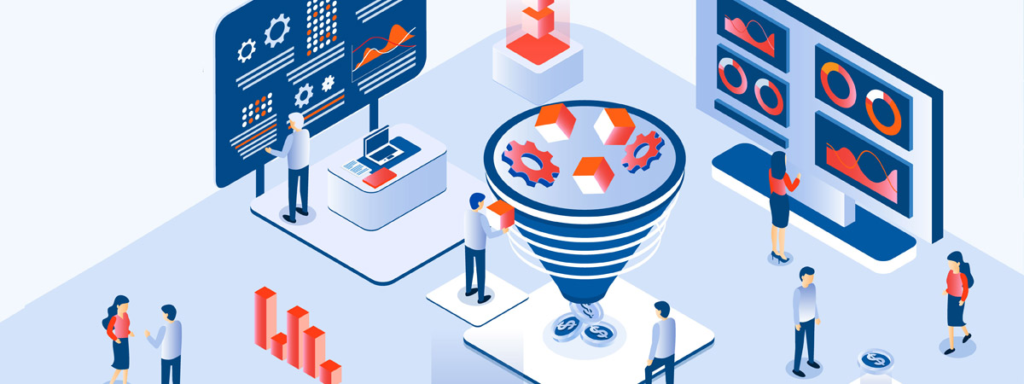
SaaS monetization is the process of turning a software product into revenue.
Instead of selling software once and walking away, SaaS companies commonly charge customers on a recurring basis. Customers may pay monthly or annually to continue using the product.
For example, imagine you create a project management tool for small businesses. You might offer:
| Plan | Example Price | Suitable For |
|---|---|---|
| Free | $0 | Individuals trying the product |
| Starter | $9/month | Freelancers and small teams |
| Business | $29/month | Growing companies |
| Pro | $79/month | Larger teams with advanced needs |
The exact prices will depend on your market, product, customers, costs, and value proposition.
The important idea is simple: customers pay because your software continues to provide useful value.
Why Recurring Revenue Matters for SaaS
One of the biggest attractions of SaaS is recurring revenue.
With a traditional one-time software purchase, a customer may pay once. With a subscription model, revenue can continue as long as customers remain subscribed.
This creates a more predictable business model, although recurring revenue is never guaranteed.
For example:
- 100 customers × $20/month = $2,000 in monthly recurring revenue
- 500 customers × $20/month = $10,000 in monthly recurring revenue
- 1,000 customers × $20/month = $20,000 in monthly recurring revenue
These are simple illustrations rather than forecasts. Customer cancellations, discounts, upgrades, refunds, payment failures, and acquisition costs all affect actual revenue.
The real goal is not simply getting more subscribers. It is keeping customers because they continue to find the product valuable.
Choose the Right SaaS Monetization Model

There is no single pricing model that works for every software business.
Your monetization model should match how customers use your product and how they experience its value.
1. Subscription Pricing
Subscription pricing is one of the most common SaaS models.
Customers pay a recurring fee, usually monthly or annually, to access the software.
This works particularly well when the product provides ongoing value, such as:
- Business management
- Marketing tools
- Accounting software
- Team collaboration
- Customer relationship management
- Productivity software
- Design platforms
A simple subscription model is easy to understand, which can reduce confusion during the buying process.
2. Tiered Pricing
Tiered pricing gives customers different packages with different features or usage limits.
For example:
Basic → Professional → Business → Enterprise
This approach allows customers to choose a plan based on their needs.
A freelancer may not need advanced reporting or team management. A larger company might consider those features essential.
The key is making the difference between plans clear and meaningful.
3. Freemium
A freemium model offers a free version of the product while charging for additional features.
The free version can help people experience the product before deciding whether to pay.
For example, a note-taking SaaS might offer:
- Free plan: limited notes and storage
- Premium plan: unlimited notes
- Business plan: team collaboration and administration
Freemium can work well when the free experience demonstrates the product’s value.
However, giving away too much can make it difficult to convert free users into paying customers.
4. Usage-Based Pricing
With usage-based pricing, customers pay according to how much they use.
Pricing might be based on:
- Number of users
- API calls
- Storage
- Transactions
- Emails sent
- Documents processed
- Minutes used
- Computing resources
This can feel fair because customers pay in relation to their usage.
However, unpredictable bills can make some customers uncomfortable. Clear usage limits and transparent pricing are essential.
5. Per-User Pricing
Some SaaS businesses charge according to the number of users or seats.
For example:
$10 per user per month
A five-person team would pay $50 per month, while a 20-person team would pay $200.
This model is straightforward, but it needs to make sense for the way customers receive value from the software.
6. Hybrid Pricing
A hybrid model combines multiple pricing methods.
For example, a company might charge a base subscription plus usage fees.
This can provide flexibility, particularly for software where customers have different levels of usage.
The downside is complexity. If customers need a calculator just to understand their monthly bill, your pricing may need simplification.
How to Create SaaS Pricing That Customers
Understand
Pricing is not simply about choosing a number.
It is about communicating what customers receive for that number.
A good pricing page should make it easy to understand:
- What each plan includes
- Who each plan is for
- What limitations apply
- Which features are available
- Whether billing is monthly or annual
- What happens when usage increases
- Whether a free trial is available
- How cancellation works
Avoid filling your pricing page with technical language that your customers do not understand.
Instead of saying:
Advanced workflow automation architecture
you might explain the benefit more clearly:
Automate repetitive tasks and save time every week.
People usually care about the result more than the feature name.
Price Based on Value, Not Just Cost
One common mistake is setting SaaS prices only by calculating expenses.
Your costs matter, but they are not the entire pricing equation.
Think about the value your software creates.
For example, if your SaaS tool helps a business save several hours every week, reduce repetitive work, or organize a large customer database, that value may be more meaningful than the cost of hosting the software.
Ask:
- What problem does the product solve?
- How frequently do customers use it?
- How much time does it save?
- What business outcome does it support?
- What alternatives are customers currently using?
- How painful is the problem?
- What would happen if the customer stopped using the product?
These questions can help you understand what customers actually value.
Offer Monthly and Annual Plans
Many SaaS businesses offer both monthly and annual billing.
Monthly billing provides flexibility. Annual billing can encourage longer commitments and may sometimes include a discount.
A simple structure could look like:
| Billing Option | Example | Customer Benefit |
|---|---|---|
| Monthly | $25/month | Maximum flexibility |
| Annual | $240/year | Lower effective monthly cost |
| Team | Custom | Designed for larger organizations |
If you offer an annual discount, make the savings easy to understand.
For example, saying “Save 20% with annual billing” is usually clearer than forcing customers to calculate the difference themselves.
Use Free Trials Carefully
A free trial allows potential customers to experience the product before paying.
Trials can be useful when the product needs some hands-on experience before its value becomes obvious.
But a free trial should have a purpose.
During the trial, help users reach their first meaningful result.
For example, if your software is an email marketing platform, the first important milestone might be creating and sending a campaign.
If users sign up but never reach that moment, simply extending the trial may not solve the problem.
A shorter trial with a clear onboarding journey can sometimes be more useful than a longer trial with little guidance.
Focus on Product Onboarding
Getting someone to sign up is only the beginning.
The customer needs to understand how to use the product and experience its value.
A good onboarding experience might include:
- Welcome message
- Short setup process
- Guided first task
- Helpful examples
- Progress indicators
- Relevant tips
- Support options
- Clear next step
Avoid showing users twenty different features on their first day.
Start with the problem they came to solve.
Upselling Without Making Customers Feel Pressured

Upselling can increase revenue when it is connected to a genuine customer need.
For example, a customer using a basic plan might eventually need:
- More users
- Additional storage
- Advanced reporting
- Automation
- Team permissions
- Priority support
- More integrations
Instead of constantly pushing upgrades, show customers when an additional feature could genuinely help them.
A useful upgrade message might explain:
Your team has reached the five-user limit. Upgrade to add more team members and manage everyone from one workspace.
That is more helpful than simply displaying “Upgrade Now” repeatedly.
Cross-Selling Software Features and Add-Ons
Cross-selling means offering complementary products or services.
For example, a website-building SaaS might offer:
- Website hosting
- Domain registration
- Analytics
- Email marketing
- Premium templates
- SEO tools
The important part is relevance.
More products do not automatically create more revenue.
Customers are more likely to respond positively when an add-on solves a problem related to the product they already use.
Reduce Customer Churn
Churn is one of the biggest challenges in recurring-revenue businesses.
If customers continually cancel, acquiring new customers can become an exhausting cycle.
To reduce churn, understand why customers leave.
Common reasons may include:
- Product is too expensive
- Product is difficult to use
- Customer no longer needs it
- Missing features
- Poor onboarding
- Weak support
- Product does not deliver expected value
- Business circumstances changed
Do not assume every cancellation is a pricing problem.
Sometimes the real issue is that customers never understood how to get value from the product.
Make Customer Support Part of Monetization
Support is not just a cost center.
Good support can help customers succeed with the product, which can contribute to retention.
Offer support through appropriate channels such as:
- Help documentation
- Knowledge bases
- Email support
- Live chat
- Tutorials
- Product guides
- Community forums
For business customers, higher-priced plans may include additional support options.
The goal should be helping customers succeed, not simply creating another fee.
Build a Strong SaaS Pricing Page
Your pricing page is one of the most important parts of the customer journey.
A useful pricing page should answer questions quickly.
Include:
- Clear plan names
- Pricing
- Billing frequency
- Key features
- Usage limits
- Recommended use cases
- Trial information
- Cancellation details
- Frequently asked questions
- Clear calls to action
Avoid hiding important costs until the final checkout stage.
Unexpected fees can damage trust.
Track the Right SaaS Metrics
Revenue is important, but it is not the only metric that matters.
Useful SaaS metrics include:
| Metric | What It Helps You Understand |
|---|---|
| MRR | Recurring monthly revenue |
| ARR | Recurring annualized revenue |
| Churn Rate | How many customers or revenue are leaving |
| Customer Acquisition Cost | Cost of acquiring customers |
| Customer Lifetime Value | Potential value generated by customers |
| Conversion Rate | Percentage moving to the desired action |
| ARPU | Average revenue per user |
| Trial-to-Paid Rate | How many trial users become customers |
Do not track dozens of metrics just because a dashboard allows it.
Choose measurements that help you make better business decisions.
How to Increase SaaS Recurring Revenue

Growing recurring revenue usually involves several activities working together.
Improve Your Existing Product
Before adding complicated pricing strategies, make sure the product solves the customer’s problem well.
A better product can improve retention and create opportunities for expansion.
Improve Conversion
Look at where potential customers leave.
Maybe the sign-up process is too long. Perhaps pricing is confusing. Maybe customers cannot quickly understand the main benefit.
Small improvements can matter.
Create Higher-Value Plans
Some customers will eventually need advanced features.
Give growing customers a logical path from a basic plan to more capable plans.
Encourage Annual Billing
Annual plans can provide customers with convenience while giving businesses longer-term commitments.
Make the value and savings transparent.
Expand Into New Customer Segments
A SaaS product that works for freelancers may eventually serve small businesses or larger teams.
However, expansion should be based on a real customer need rather than simply adding more plans.
Common SaaS Monetization Mistakes
Making Pricing Too Complicated
If customers cannot understand your plans quickly, they may leave without buying.
Copying Competitors
Competitor pricing can provide useful market context, but copying it blindly can produce a model that does not fit your own customers.
Offering Too Many Features for Free
A free plan should demonstrate value while leaving a reasonable reason for customers to upgrade.
Charging for Every Small Feature
Customers may become frustrated when basic functionality is split into numerous paid add-ons.
Ignoring Existing Customers
New customer acquisition gets attention, but existing customers also deserve product improvements, support, and useful upgrade opportunities.
Changing Prices Without Communication
Pricing changes should be communicated clearly, especially for existing subscribers.
A Simple SaaS Monetization Strategy

If you are starting from scratch, keep the first version simple.
Try this framework:
Step 1: Identify one specific customer problem.
Step 2: Build a product that solves that problem clearly.
Step 3: Choose one primary monetization model.
Step 4: Create two or three easy-to-understand plans.
Step 5: Let potential customers experience the product.
Step 6: Track activation, conversion, retention, and churn.
Step 7: Talk to customers about what they value.
Step 8: Improve pricing and packaging based on evidence.
Step 9: Add upgrades when customers have genuine additional needs.Step 10: Keep improving the product and customer experience.
FAQ’S
1. What is SaaS monetization?
SaaS monetization is the process of turning software into a sustainable source of revenue. Common approaches include subscriptions, tiered plans, usage-based pricing, freemium models, and paid add-ons.
2. What is the most common SaaS monetization model?
Subscription pricing is one of the most widely used SaaS models. Customers pay monthly or annually to continue accessing the software and its features.
3. How does recurring revenue work in SaaS?
Recurring revenue comes from customers who continue paying for access to a software product over time. Monthly and annual subscriptions are common examples.
4. What is a tiered SaaS pricing model?
Tiered pricing offers different plans with different features, limits, or levels of service. Customers can select the plan that best matches their needs and upgrade as those needs grow.
5. Is freemium a good SaaS monetization strategy?
Freemium can work when the free version gives users enough value to understand the product while providing a clear reason to upgrade to paid features.